
Purpose
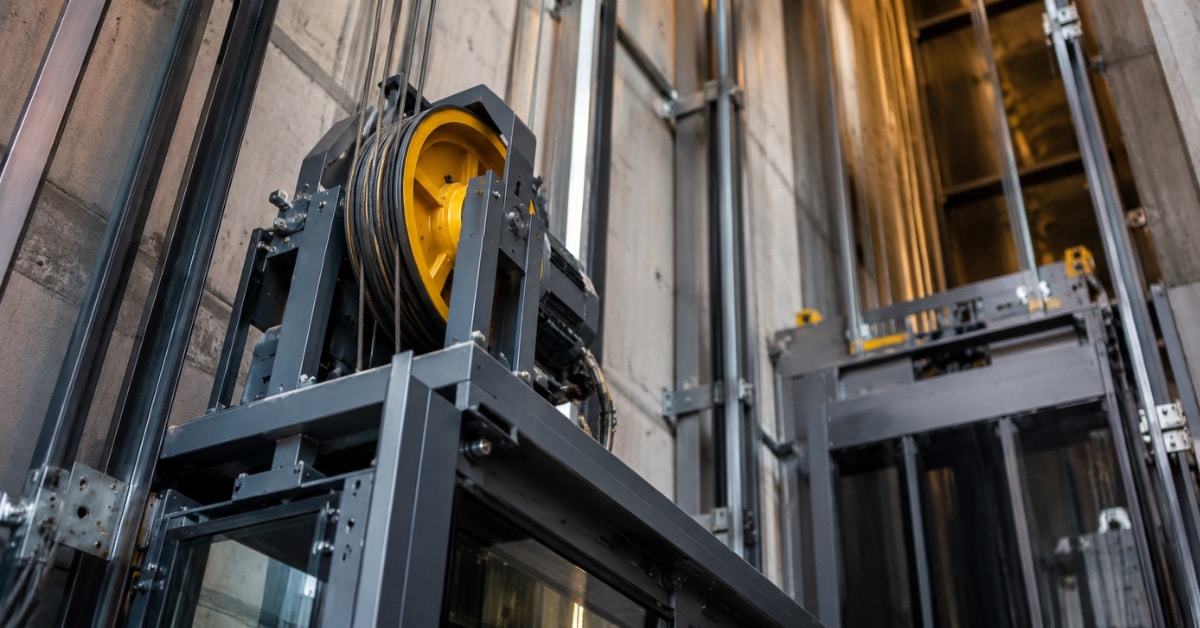
The purpose of this Hurricane Preparation Program is to establish clear procedures to protect traction elevator equipment, reduce risk to building occupants, and support rapid post‑storm recovery after such. Areas addressed include pre‑storm preparation, actions during the storm, and post‑storm inspection and restoration of elevator service.
Scope
This program applies to all traction elevator systems, including:
- Machine‑room traction elevators
- Machine‑room‑less (MRL) traction elevators
The procedures cover:
- Elevator cabs and hoistway
- Machine rooms and control equipment
- Electrical and communication systems
- Building interfaces affecting elevator operation
Responsibilities
Building Owner / Property Management
- Ensure this program is implemented and maintained
- Coordinate with the elevator maintenance contractor
- Communicate elevator availability and restrictions to occupants
Elevator Maintenance Contractor
- Perform pre‑storm inspections and shutdowns of potentially affected units, especially beachside
- Provide post‑storm inspection, testing, and return‑to‑service
- Identify storm‑related damage for remediation and correction.
Facility / Engineering Staff
- Secure machine rooms and elevator electrical spaces
- Monitor weather alerts and initiate hurricane procedures
- Prevent unauthorized elevator use during storm conditions
Hurricane Preparedness Levels
Hurricane Watch (48–72 Hours Before Expected Impact)
When a hurricane watch is issued for the area:
- Notify elevator maintenance contractor of potential storm impact
- Review building emergency procedures with staff
Inspect machine rooms for:
-
- Water intrusion risks
- Roof leaks or unsealed penetrations
- Proper drainage and housekeeping
- Confirm sump pumps and back‑up power (if applicable) are operational
- Verify that pit drains are clear and functioning
- Confirm elevator shutdown and evacuation procedures
Hurricane Warning (24–48 Hours Before Expected Impact)
When a hurricane warning is issued:
- Prohibit elevator use once high winds or flooding are anticipated
- Remove elevators from normal service when directed by management
- Park elevator cars at a designated safe floor (typically a mid‑level floor above flood risk)
- Open access and car doors
- Shut down elevators using the mainline disconnect where recommended by the elevator contractor
- Secure machine room doors, hatches, and vents
- Ensure phone lines or emergency communication equipment are protected or disabled per contractor guidance
- Post notices advising occupants that elevators are out of service
Actions During the Storm
- Elevators shall remain out of service
- Elevator equipment shall not be operated under any circumstance
- No attempts shall be made to restore service during storm conditions
- Facility staff shall not access machine rooms unless life safety requires it
Post‑Hurricane Procedures
Initial Assessment (After Storm All‑Clear)
- Do not place elevators back into service automatically
- Inspect building for:
- Flooding in elevator pits, hoistways, or machine rooms
- Structural damage to shafts or machine supports
- Power irregularities or sustained outages
- Verify that electrical service is stable and safe before re‑energizing equipment
Elevator Contractor Inspection
A qualified elevator technician shall perform a complete post‑storm inspection, including:
- Traction machine, drive, and brake components
- Controller, drives, and electrical panels
- Hoistway and pit for water, debris, or corrosion
- Door operators and interlocks
- Ropes, sheaves, and tensioning devices
- Safety circuits and emergency communication systems
Elevators shall not return to service until the contractor confirms they are safe and operational.
Flooding or Water Intrusion
If any part of the elevator system has been exposed to water:
- Elevators shall remain out of service
- All affected components must be:
- Dried, cleaned, or replaced as required
- Tested and re‑certified by the elevator contractor
- Electrical components exposed to water shall not be re‑energized without inspection
Documentation and Reporting
- Maintain written records of:
- Elevator shutdown time and date
- Post‑storm inspection results
- Repairs or replacements performed
- Provide documentation to:
- Building ownership
- Insurance representatives (if applicable)
- Authorities having jurisdiction, if required
Training and Review
- Facility personnel shall be trained annually on hurricane elevator procedures
- This program shall be reviewed:
- Annually, or
- After any hurricane event that impacts building operations
- Revisions shall be made as building conditions or codes change
Safety Statement
Under no circumstances shall elevators be used during hurricane conditions or immediately following a storm. Rather, they should be assessed and, if in proper condition, returned to service by a qualified elevator professional. These protocols are for the safety and benefit of both persons and property. We appreciate that there is a lot of activity associated with a storm. However, taking the extra time insofar as your elevator equipment will be well worth it.